How to Make AI Wedding Thank You Notes Sound Heartfelt (Not Robotic)
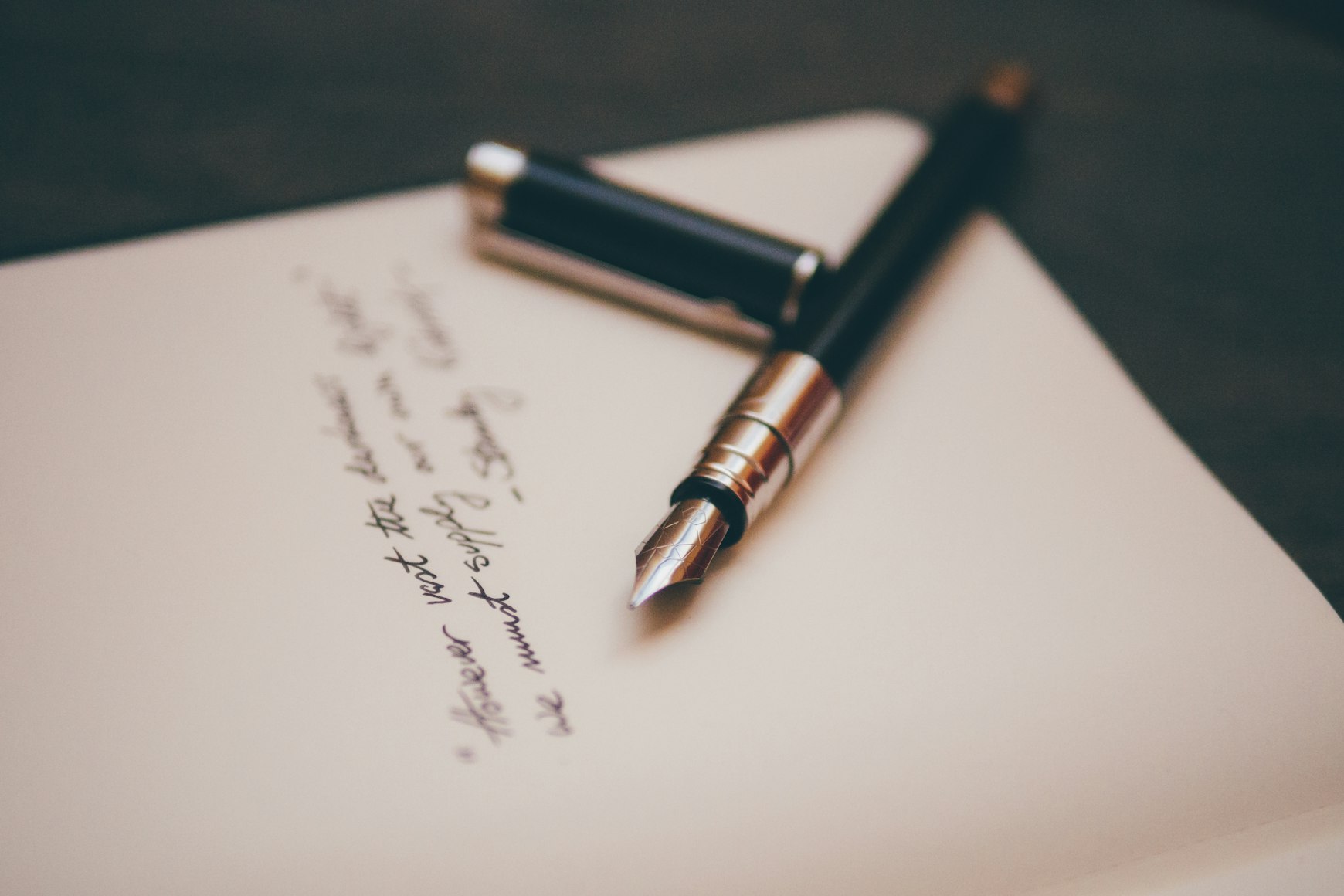
You've probably seen it: an AI-generated thank-you note that reads like it was written by a very polite stranger. Technically perfect grammar. Appropriately grateful tone. And absolutely zero personality.
"Dear John, We are truly grateful for your generous contribution to our new life together. Your presence at our wedding was deeply appreciated, and your thoughtful gift will be treasured for years to come."
Nobody talks like that. And your wedding guests know it.
The good news is that AI-generated notes don't have to sound this way. The robotic quality isn't a flaw in the technology — it's a flaw in how most people use it. With the right approach, AI can actually help you write notes that sound more like you than what you'd produce staring at a blank card at midnight after writing 40 notes in a row.
Here are five techniques that make the difference.
1. Feed It Real Details, Not Generic Prompts
The single biggest reason AI notes sound robotic is generic input. When you tell AI "write a thank-you note for a wedding gift," you get exactly what you asked for: a generic thank-you note.
The quality of your output is directly proportional to the quality of your input. Compare:
Generic input: "Write a thank-you note to my uncle for a wedding gift."
Rich input: "Write a thank-you note to my Uncle Dave for the vintage record player he gave us. He's the one who got me into vinyl as a kid — we used to listen to his Beatles collection every Sunday. My partner and I have already started our own collection."
The first prompt gives AI nothing to work with. The second gives it a story, a relationship, and an emotional hook. The resulting note will feel personal because the input was personal.
The rule: Never ask AI to write a thank-you note without including at least three specific details — the gift, a personal memory or relationship detail, and how you'll use or enjoy the gift.
2. Kill the Formal Voice
AI defaults to what linguists call "high register" — formal, elevated language that sounds impressive but feels distant. This is the number one giveaway that a note was AI-generated.
Watch for these telltale phrases and replace them:
| Robotic Phrase | Human Alternative |
|---|---|
| "We are truly grateful" | "We love it" or "This means so much" |
| "Your generous contribution" | "The [specific gift]" |
| "Your presence was deeply appreciated" | "Having you there made our day" |
| "It will be treasured for years to come" | "We've already used it twice this week" |
| "We were deeply moved by your thoughtfulness" | "You know us so well" |
| "Please know how much we value" | "Seriously though, thank you" |
The fix is simple: after AI generates a draft, read it out loud. Every phrase that sounds like something you'd never actually say to this person gets rewritten in your real voice.
If you'd text your college roommate "dude, the espresso machine is INSANE," then that energy should show up in their thank-you note. Not "We were delighted by your extraordinarily thoughtful gift of a coffee apparatus."
3. Add the Details Only You Know
AI can write beautiful sentences, but it can't know that your cousin Sarah always calls you "Bug," or that your grandmother made the exact same casserole dish pattern in the 1970s, or that your best man cried during his toast.
These micro-details are what transform a note from "nice" to "unmistakably from you." After AI generates a draft, look for places to insert:
- Inside jokes or nicknames that signal intimacy
- Specific moments from the wedding the guest was part of
- References to shared history that only the two of you would get
- Reactions that are uniquely yours — your actual first thought when you opened the gift
For example, AI might generate:
"Thank you for the beautiful cast iron skillet. We can't wait to cook with it!"
You add:
"Thank you for the cast iron skillet — I literally screamed when I opened it because I've been talking about learning to make cornbread for months. (Yes, Mike recorded my reaction. Ask him for the video.) First batch this weekend and you're getting a full review."
Same gift. Same gratitude. Completely different level of authenticity.
4. Break the Template Pattern
When AI writes multiple notes, it falls into patterns. Same sentence structure. Same paragraph flow. Same opening, middle, close formula. If your guests ever compared notes (and wedding guests do talk), the pattern would be obvious.
Deliberately vary your notes by:
- Switching up openers. Don't start every note with "Thank you for..." Try "I can't stop looking at...", "You won't believe what happened...", "I've been meaning to tell you...", or just jump straight into a story.
- Changing the length. Some notes should be three sentences. Others should be a full paragraph. The variation itself signals that each note was individually considered.
- Mixing tones. Your note to your grandmother should sound different from your note to your college roommate. Let the relationship dictate the tone, not a template.
- Reordering elements. Sometimes lead with the gift. Sometimes lead with a memory from the wedding. Sometimes lead with how you've been using the gift.
If you're using AI, generate each note separately with different context rather than batch-generating them all at once. This naturally produces more variation.
5. Edit With Your Mouth
This is the simplest technique and arguably the most effective: read the note out loud before writing the final version.
Your ear catches what your eye misses. Phrases that look fine on screen reveal themselves as stiff or unnatural when spoken. If you stumble over a sentence or it feels weird to say, rewrite it the way you'd actually say it to that person.
Better yet, imagine you're standing in front of the guest, handing them the note. Would you say these words to their face? If the answer is no, the words need to change.
This technique works because spoken language is inherently more personal than written language. When you edit toward how you speak, you automatically move away from AI's formal defaults and toward your authentic voice.
Common Mistakes That Make AI Obvious
Beyond the five techniques above, avoid these dead giveaways:
Using the same superlatives everywhere. If every gift is "beautiful," "wonderful," and "generous," it starts to feel automated. Use specific descriptors: "the bright yellow mixer," "the ridiculously soft throw blanket," "the cookbook I've had my eye on."
Over-thanking. AI loves to express gratitude multiple times in a single note. One genuine expression of thanks is more powerful than three formulaic ones.
Closing with cliches. "With warmest regards," "Forever grateful," and "With love and appreciation" are AI favorites. Close the way you'd actually sign off with that person. "Love you guys," "Can't wait to see you at Thanksgiving," or just "xo" all work better than formal closings.
Forgetting to mention the wedding itself. AI often produces notes that could be about any gift-giving occasion. Grounding the note in a specific wedding moment — "Your toast had everyone crying" or "That dance-off during the reception was legendary" — immediately makes it feel real and specific.
Putting It All Together
Here's what the full process looks like:
Start with real details. Before you even open an AI tool, jot down three things about the guest and their gift: one detail about the gift itself, one personal memory, and one way you'll use or enjoy it.
Generate a draft. Feed those details to AI and let it create a starting point.
Kill formality. Replace every phrase you'd never actually say with one you would.
Add your fingerprints. Insert the details, jokes, and references that only you would include.
Read it aloud. If it doesn't sound like you talking to that person, edit until it does.
Handwrite it. The final note is physically written by you on a card — the ultimate authentic touch.
This process takes 3-5 minutes per note instead of the 10-15 minutes it takes to write from scratch (or the 30 seconds it takes to copy-paste a generic template). It's the sweet spot between authentic and efficient.
The Real Goal
Perfect thank-you notes don't exist. But notes that make people smile, that make them feel remembered and appreciated, that they stick on the fridge or tuck into a drawer — those exist. And they don't require literary talent. They require you showing up in the words.
AI handles the blank-page problem. You handle the human connection. Together, you write notes that sound exactly like what they are: genuine gratitude from someone who cared enough to make each one personal.
Related Reading
- Authentic vs. Generic Thank You Notes: What Your Wedding Guests Actually Feel - Why personalization matters more than perfection.
- 30 Personalized Wedding Thank You Note Phrases That Don't Sound Like AI - Ready-to-use phrases you can customize for any guest.
- The Case for Intentional AI: Why Technology Should Help You Write, Not Replace You - The philosophy behind using AI as a writing partner.
Ready to write thank-you notes that actually sound like you? Try Heartfelt free — we'll help you draft personalized notes for every guest on your list.
Frequently Asked Questions
Ready to start writing?
Heartfelt helps you organize gifts and draft personalized thank-you notes.
Try Heartfelt Free