The Case for Intentional AI: Why Technology Should Help You Write, Not Replace You
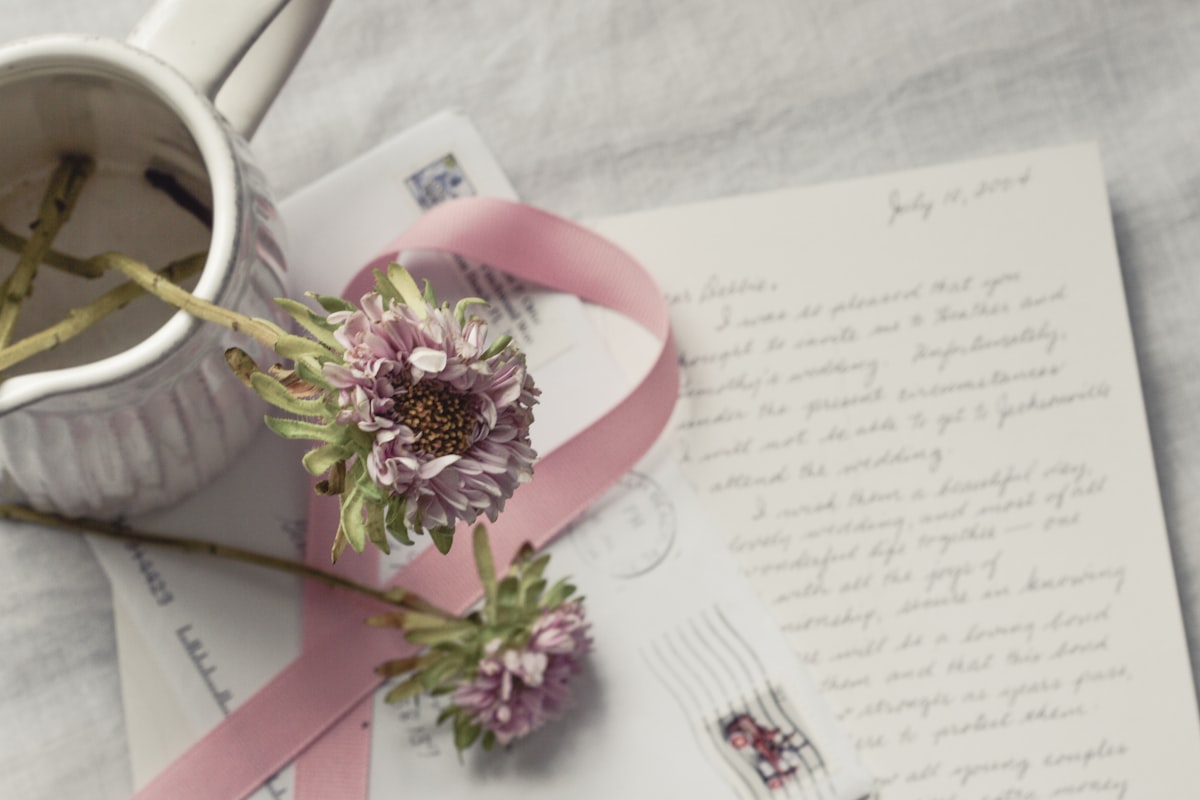
There's a conversation happening right now about AI and authenticity. Can a thank-you note be genuine if AI helped write it? We believe the answer is a resounding yes, but only when AI is used intentionally, as a tool that enhances your voice rather than replaces it.
The problem with "set it and forget it"
Let's be honest: you could paste your gift list into ChatGPT and ask it to generate 100 thank-you notes. The AI would happily comply. But something important would be lost in that transaction.
When you outsource the entire process, you miss:
- The moment of reflection on each person's thoughtfulness
- The practice of gratitude that comes from articulating appreciation
- The personal connection that makes a note worth keeping
- The closure that comes from completing this meaningful task yourself
A fully AI-generated note might check the box, but it won't give you, or your recipient, the experience that makes thank-you notes worthwhile in the first place.
What intentional AI use looks like
Intentional AI use means leveraging technology to overcome obstacles while keeping yourself in the driver's seat. Here's the difference:
Unintentional: "Write me a thank-you note for a KitchenAid mixer from my aunt."
Intentional: "I want to thank my aunt for the KitchenAid mixer. We've already made cookies together as newlyweds, and she taught me to bake growing up. Help me express this warmly."
In the first example, you're asking AI to do your emotional labor. In the second, you're using AI to help translate feelings you've already identified into words. The gratitude is yours; the AI just helps you articulate it.
Why starting is the hardest part
Writer's block with thank-you notes is real. You sit down with the best intentions, stare at a blank card, and suddenly every word feels wrong. Should you be formal or casual? How do you thank someone for a gift you didn't love? What if you barely know them?
This is exactly where AI shines as an intentional tool:
- Suggesting openers when you're stuck on how to begin
- Offering phrases that match your relationship's tone
- Helping you say what you feel but can't quite articulate
- Providing structure so you're not starting from zero
The key is that you're still making choices. You're accepting, rejecting, and editing suggestions. You're thinking about each person and what you want to say. The AI removes friction; it doesn't remove you.
The gratitude practice you didn't know you needed
Here's something unexpected: the act of writing thank-you notes can be genuinely good for your mental health. Research consistently shows that practicing gratitude, really sitting with appreciation for others, improves well-being.
When you rush through notes or fully outsource them, you skip this benefit. But when you use AI intentionally, you actually spend more quality time in a grateful mindset:
- You review each gift and remember who gave it
- You reflect on your relationship with that person
- You consider how their gift will fit into your new life together
- You articulate appreciation in your own words
The AI handles the mechanical challenge of composition. You focus on the emotional work of gratitude. That's a good trade.
The catharsis of physical notes
There's also something to be said for the physical act of writing and sending notes. In our digital world, a handwritten card is increasingly rare, and increasingly meaningful.
The process matters:
- Handwriting engages your brain differently than typing
- Addressing envelopes is a small act of care
- Dropping notes in the mail provides tangible closure
- Recipients keep physical cards in ways they don't keep emails
AI can help you draft and personalize your notes, but the final step, actually writing them by hand and sending them, remains beautifully analog. That combination of modern efficiency and timeless tradition is powerful.
How Heartfelt facilitates intentional AI use
This philosophy is baked into how Heartfelt works. We're not trying to write your notes for you. We're trying to help you write better notes, faster, while staying true to your voice.
Here's our approach:
- You provide the context: who gave what, your relationship, any special memories
- We suggest drafts: personalized starting points, not finished products
- You make it yours: edit, rewrite, add details only you know
- You write it by hand: the final note is physically written by you
- You feel the closure: checking off each note as it's mailed
The AI never sends anything. It never pretends to be you. It's a drafting assistant that helps you overcome blank-page paralysis so you can focus on what matters: expressing genuine gratitude to the people who celebrated your marriage.
The bottom line
AI isn't good or bad for thank-you notes. It's a tool, and tools can be used thoughtfully or carelessly.
Used carelessly, AI strips away the meaning of gratitude. Used intentionally, it actually deepens your gratitude practice by removing the barriers that prevent you from finding the words you want to say expeditiously so that you can say them to all of your guests.
The goal isn't to write thank-you notes as quickly as possible. The goal is to express genuine appreciation to every person who gave you a gift and to feel good about having done so.
Heartfelt exists to help you do exactly that. Not by replacing you, but by empowering you to show up as your most gracious, grateful self.
Related reading
- How to Write the Perfect Wedding Thank-You Note - The anatomy of a great note and common mistakes to avoid.
- Wedding Thank-You Note Timeline - When to send your notes and what to do if you're behind schedule.
Ready to write thank-you notes that actually feel like you? Try Heartfelt free and experience intentional AI assistance.
Frequently Asked Questions
Ready to start writing?
Heartfelt helps you organize gifts and draft personalized thank-you notes.
Try Heartfelt Free